Writing
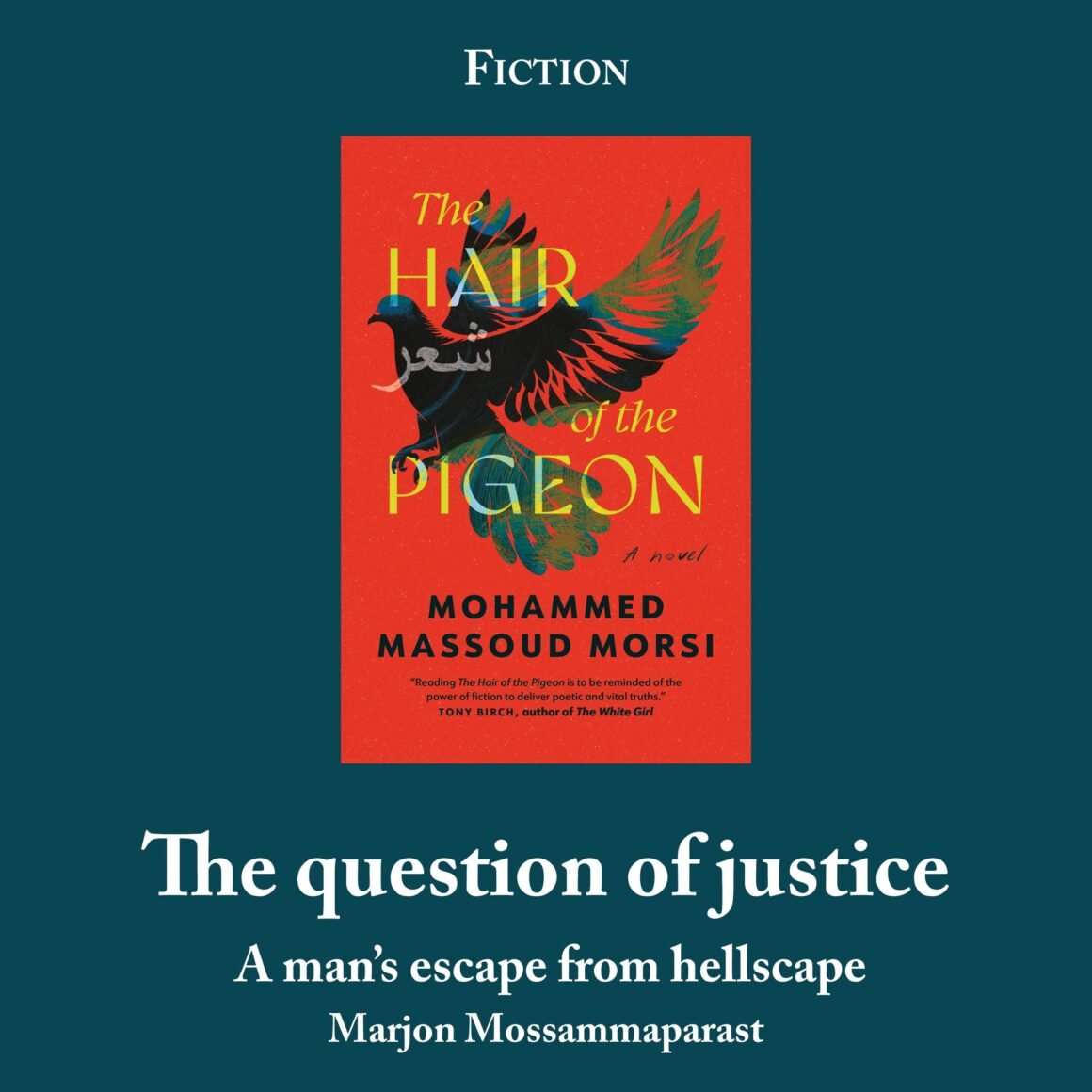
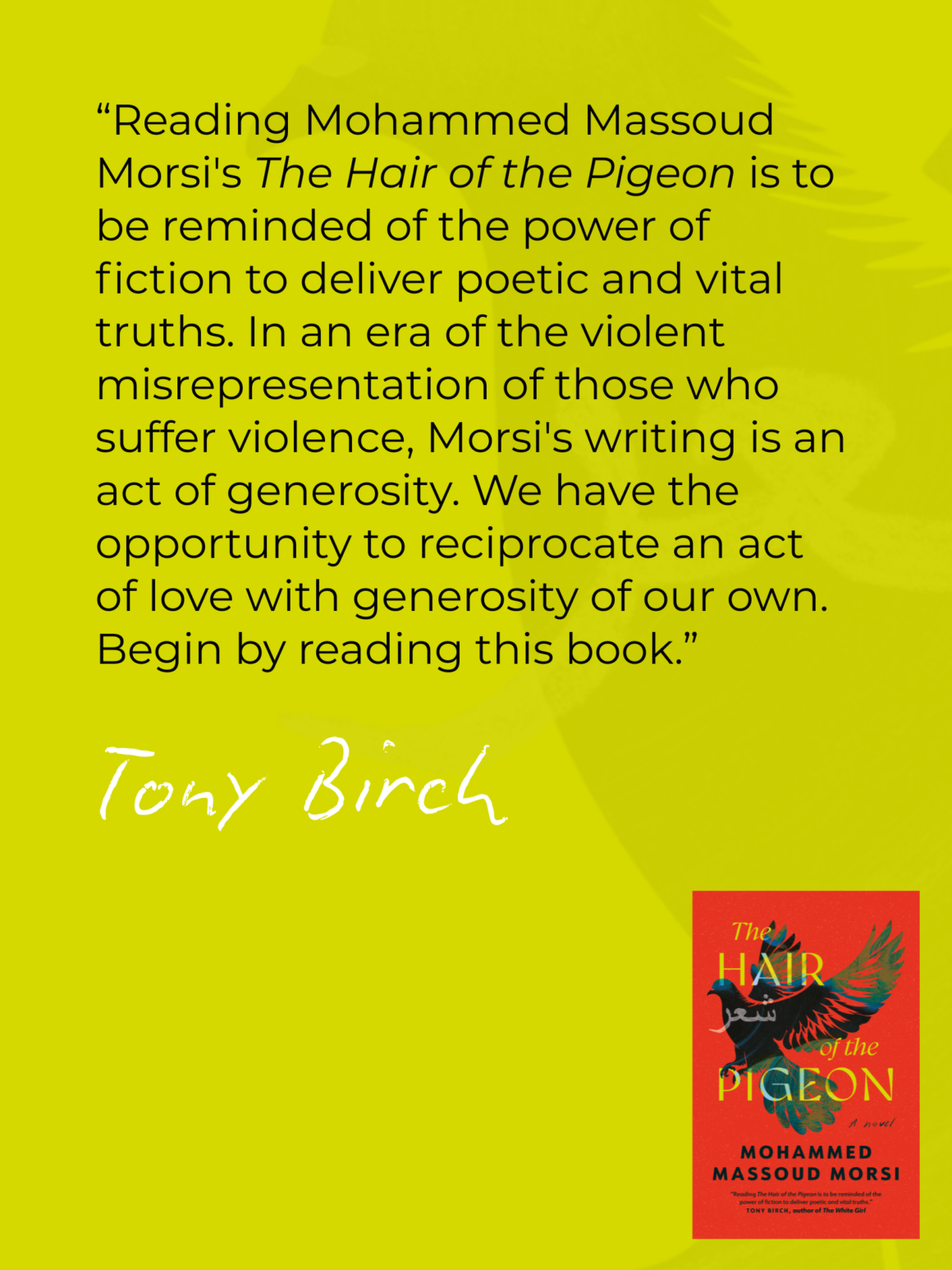
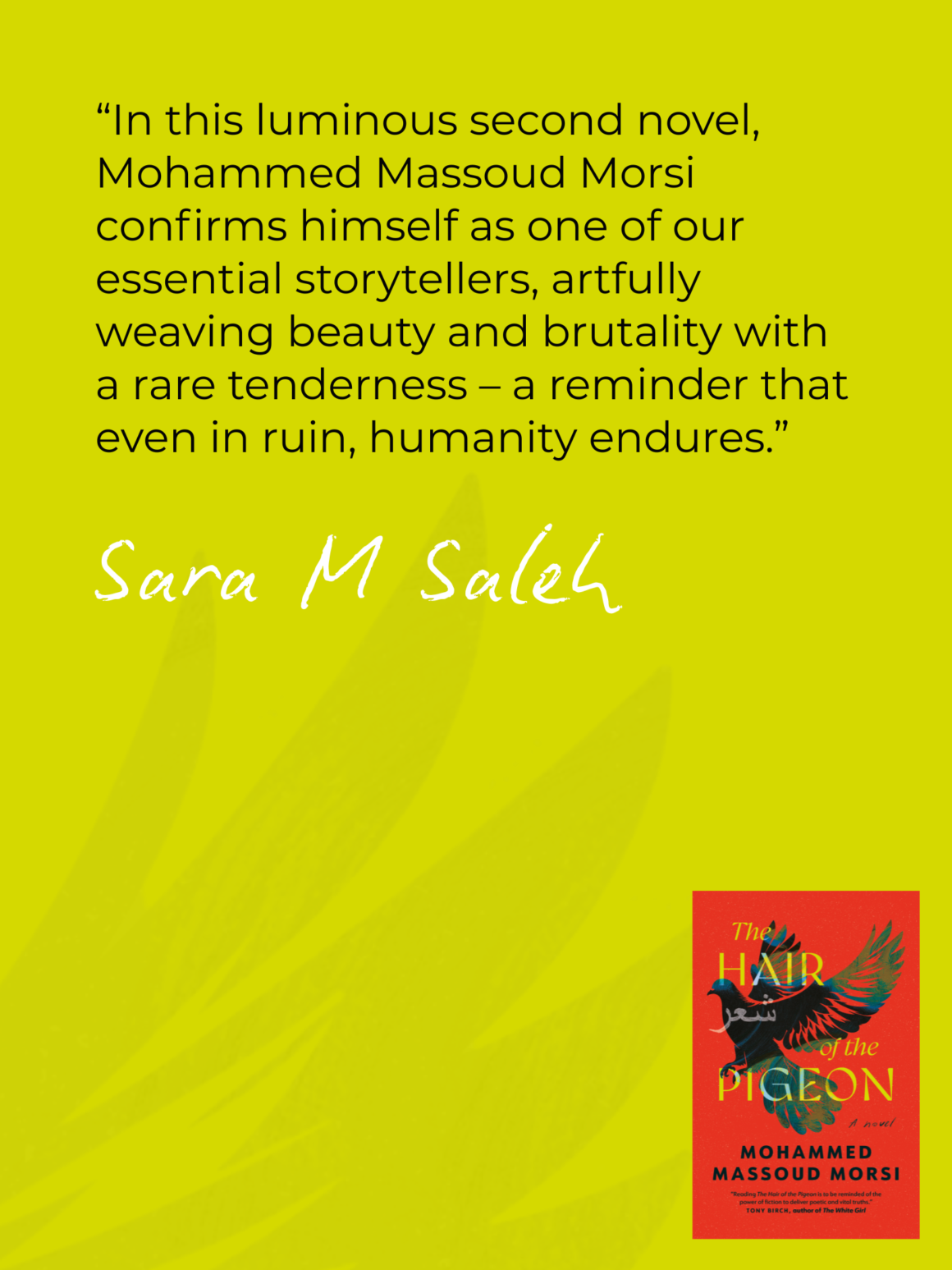
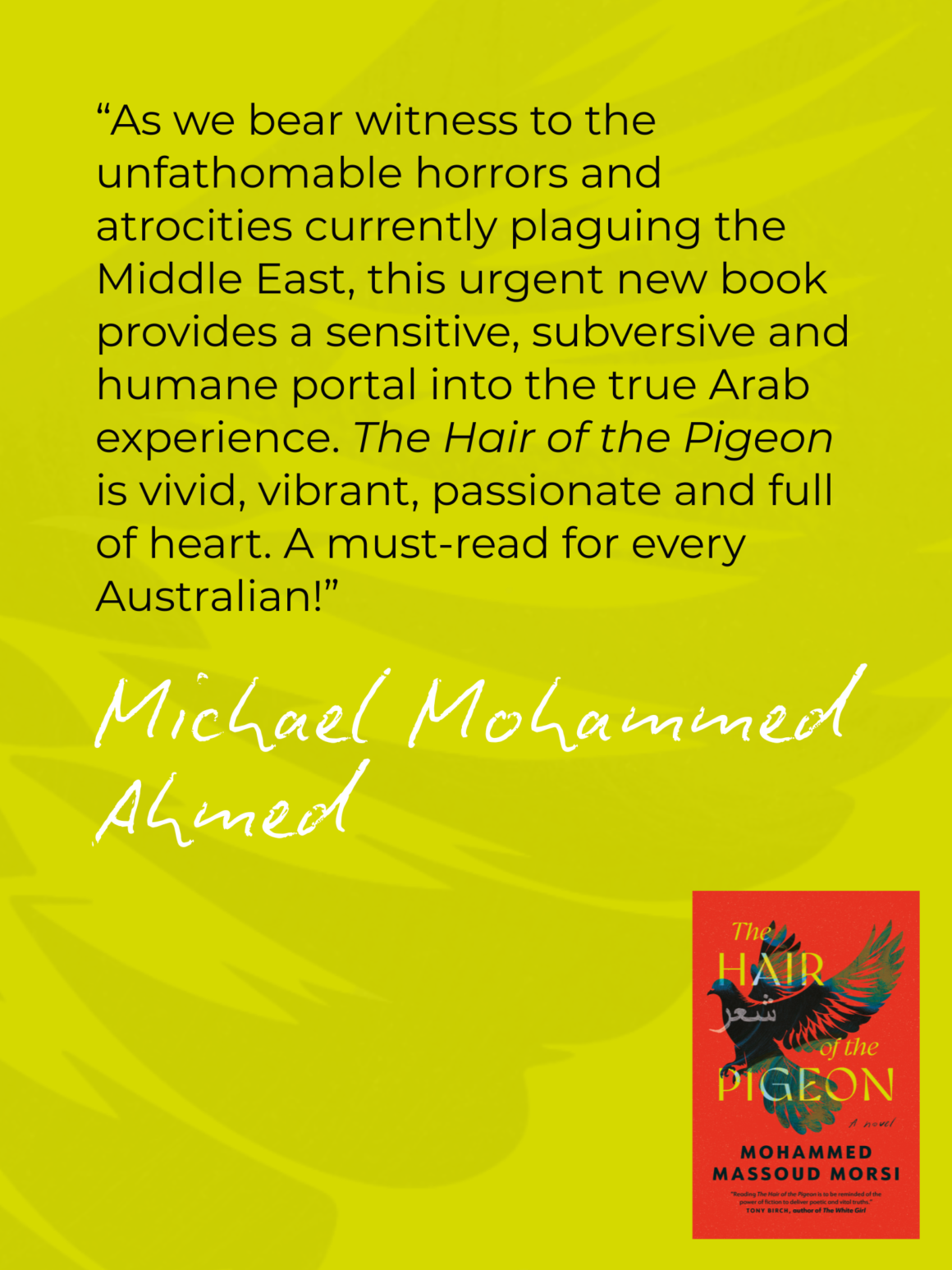
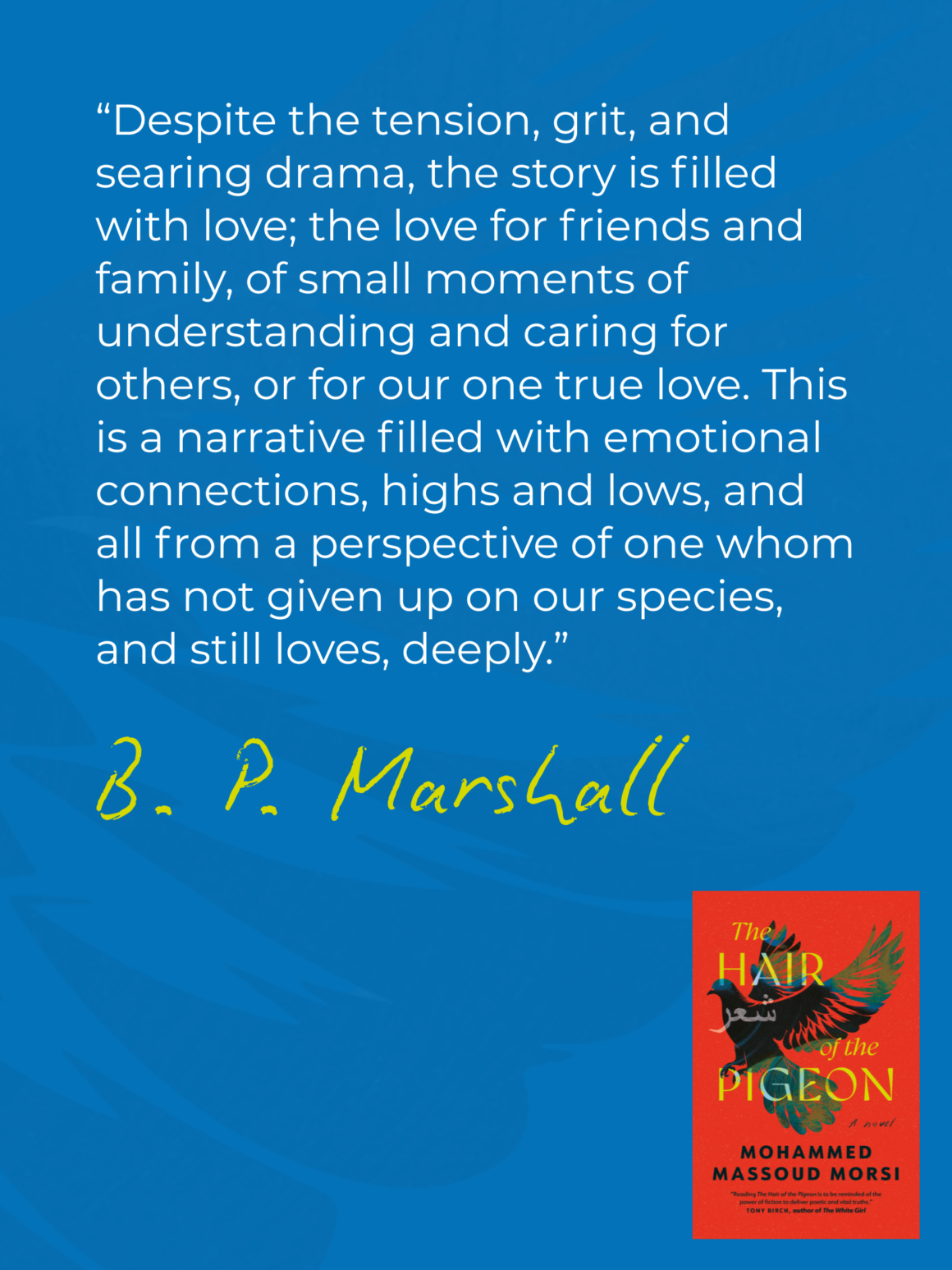
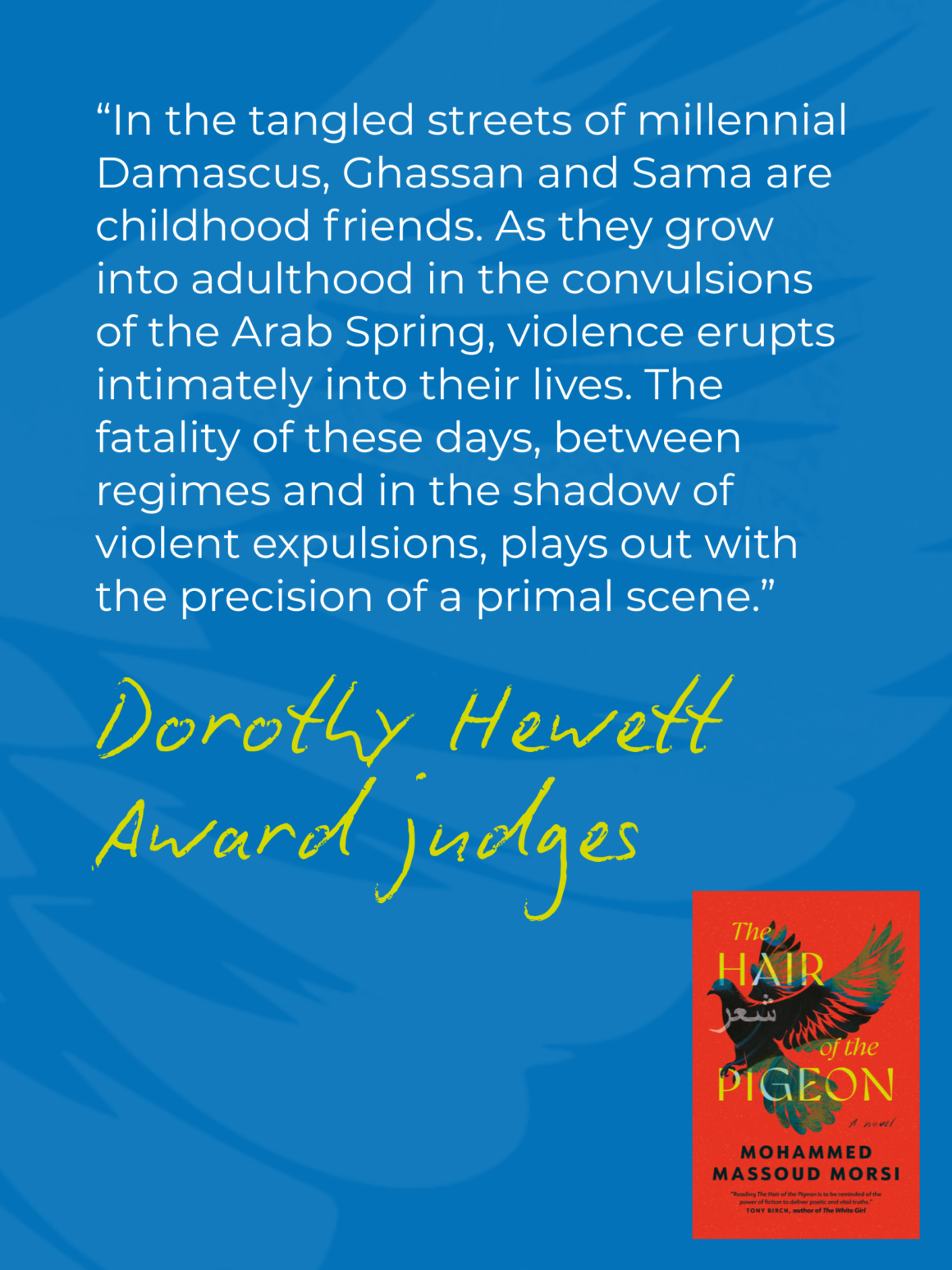
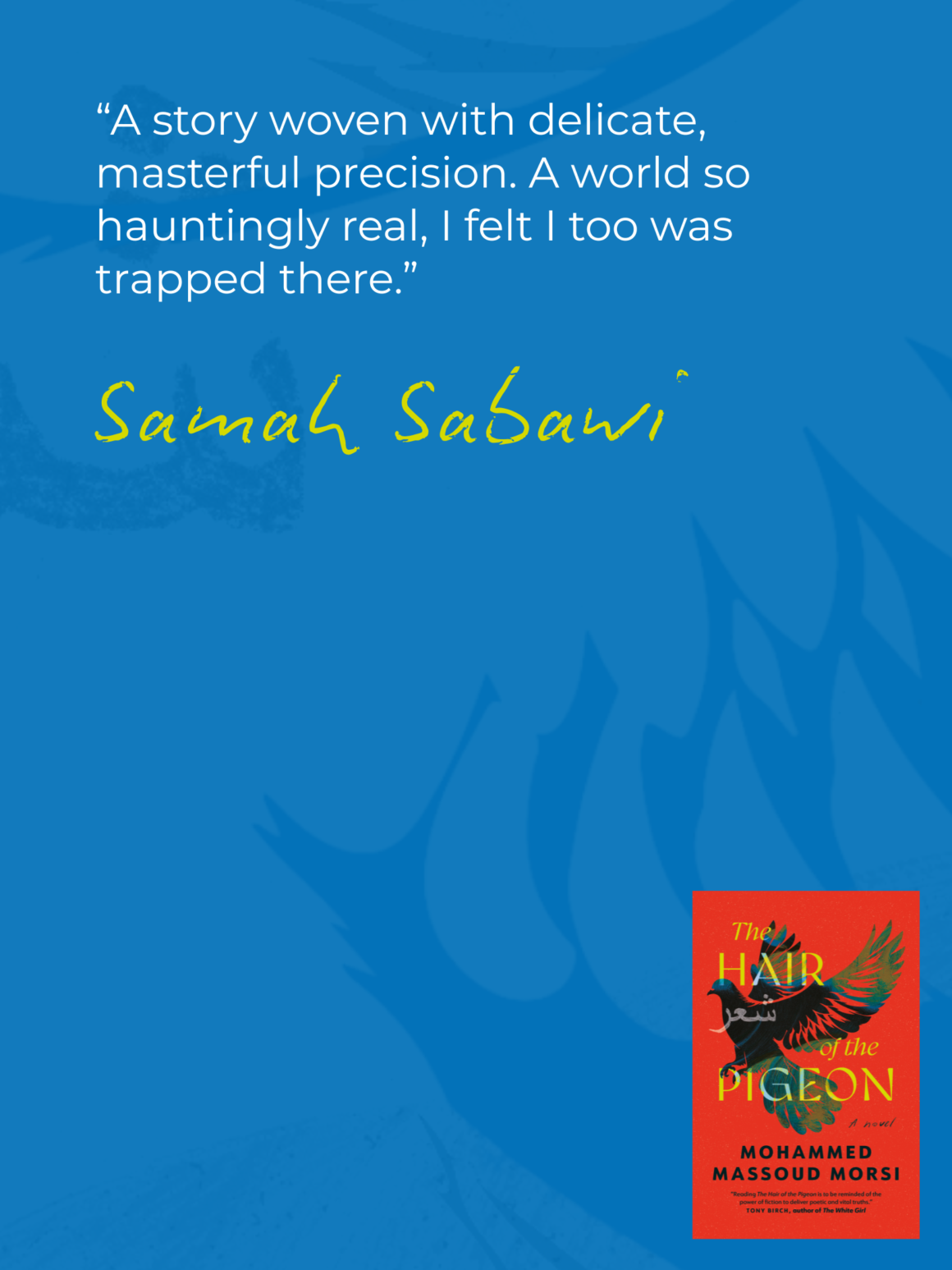
My second and latest novel is The Hair of The Pigeon. It won the Dorothy Hewitt Award for best unpublished novel in Australia in 2026 and has been endorsed by several renowned journalists, authors and thinkers. My heartfelt gratitude to Anthony Lowenstein, Tony Birch, Samah Sabawi, Sara Saleh, Dr Michael Mohammed Ahmad, Arif Anwar, B.P. Marshall, Gillian Mosely, Katherine Johnson, Michelle Johnston and Rohan Wilson. Also the award judges of the Dorothy Hewitt Award in 2025: Professor Tony Hughes-d’Aeth, UWA Chair of Australian Literature, Kate Pickard, UWAP publishing manager, James Jiang, Sydney Review of Books editor, and WA poet Caitlin Maling. Thank you and for choosing The Hair of The Pigeon as the winner of the 2025 Dorothy Hewitt Award.
Thank you for acknowledging my work.
Special thanks goes to Dr. Arif Anwar, author of The Storm, for asking me to join him and a talented group of writers at The Hermitage Residency in Srimangal, Bangladesh in 2023. I would not have met my once in a lifetime agent, Anjali Singh, had it not been for Arif. The Hair of The Pigeon could have still been on the shelf if it wasn’t for the inspiration and love we all shared that week. Thank you Arif, for creating that beautiful space where us writers and thinkers from our part of the world, could come together and listen, create and learn. Thank you for challenging the cultural hegemony which assumes that such a gathering of minds and talents could only happen in a western metropolis.
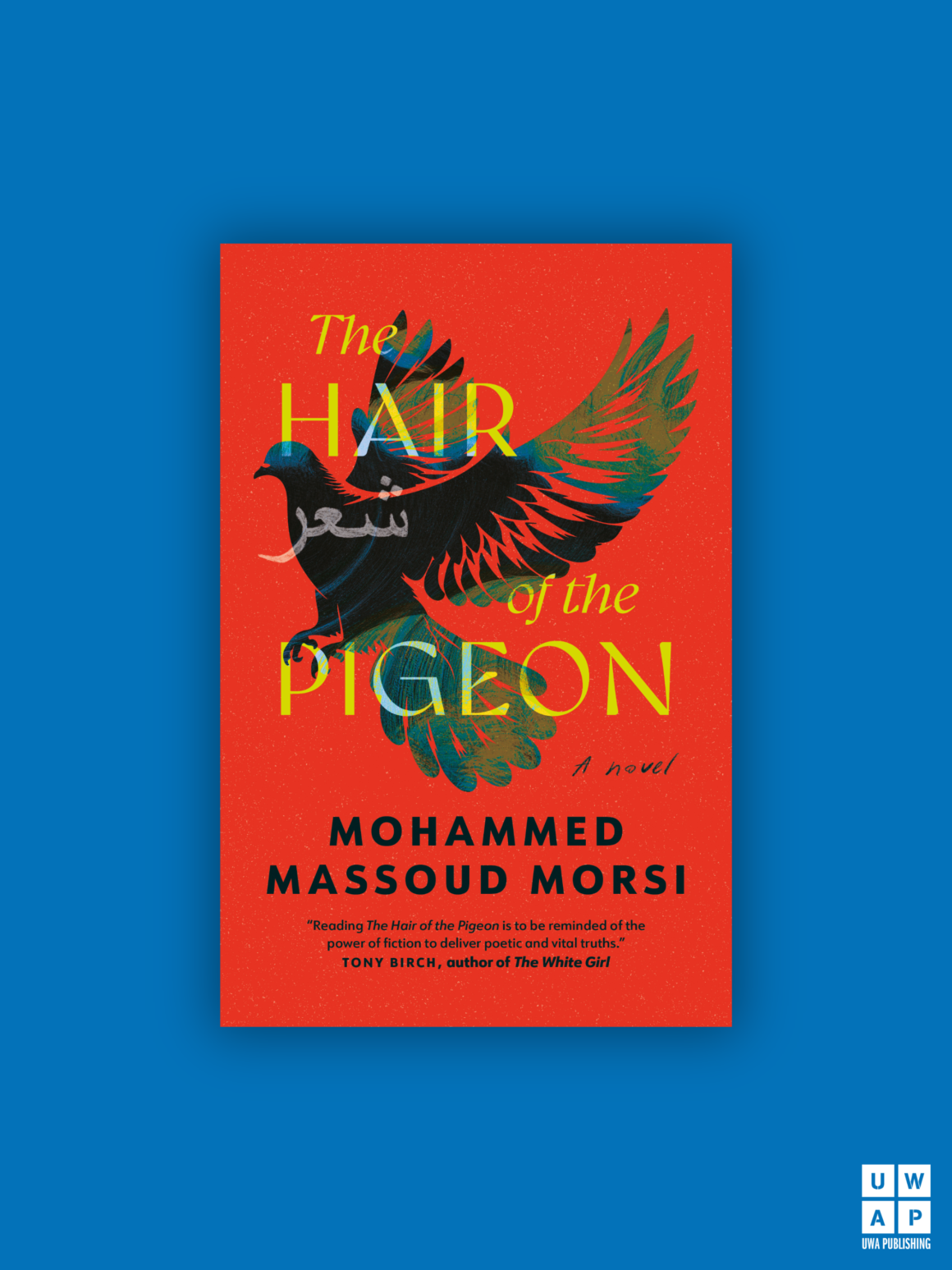
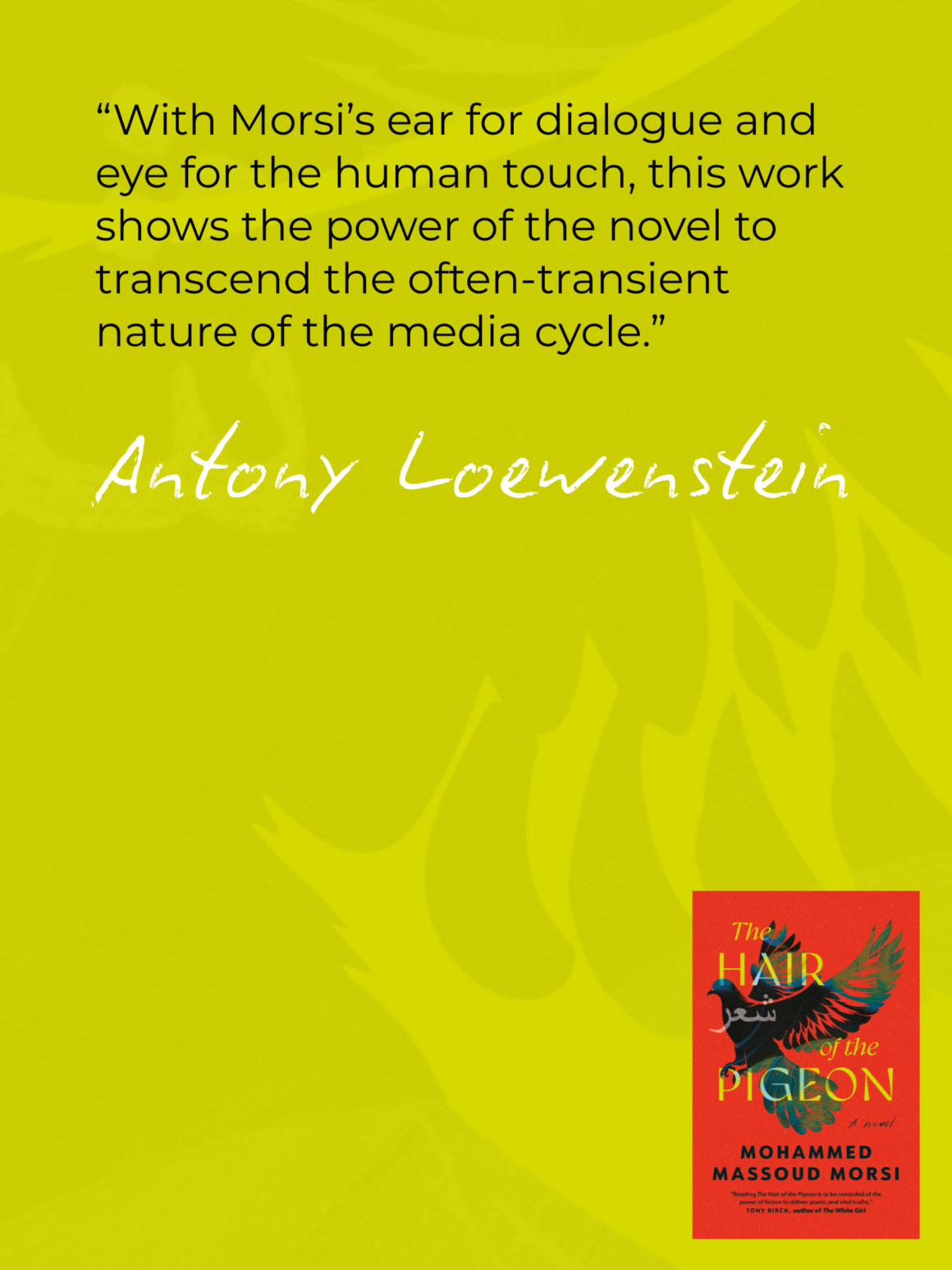
“The Hair of The Pigeon takes us into the world of Syria in a time of crisis, a nation burned by despotism and violence. The people so desperately crave normality but are unavoidably dragged into a war they don’t want. With Morsi’s ear for dialogue and eye for the human touch, this work shows the power of the novel to transcend the often-transient nature of the media cycle.”
– Antony Loewenstein, journalist, filmmaker and author of The Palestine Laboratory
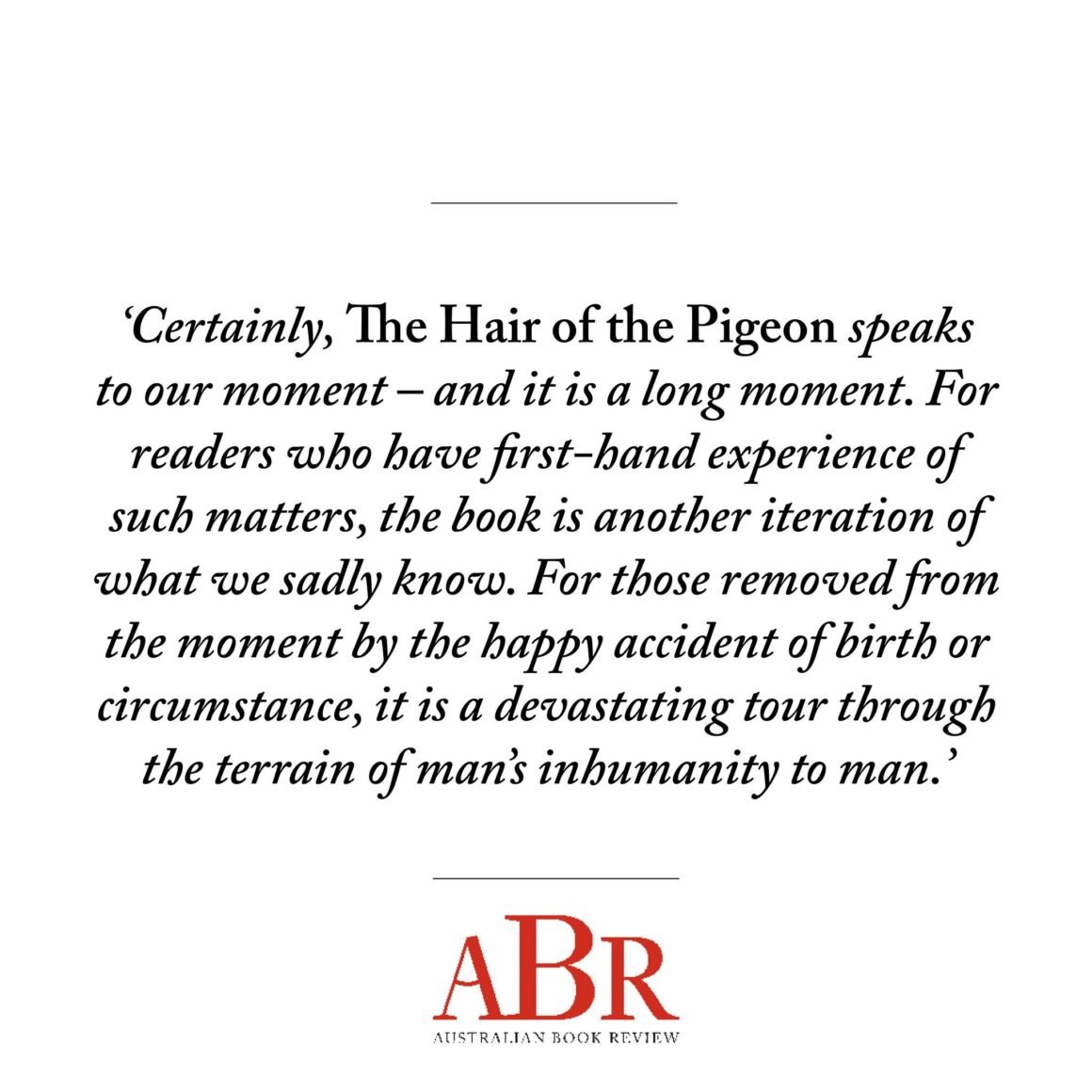
If you can’t read the reviews below, simply zoom in on the page. Click on the graphics to go to the full review.
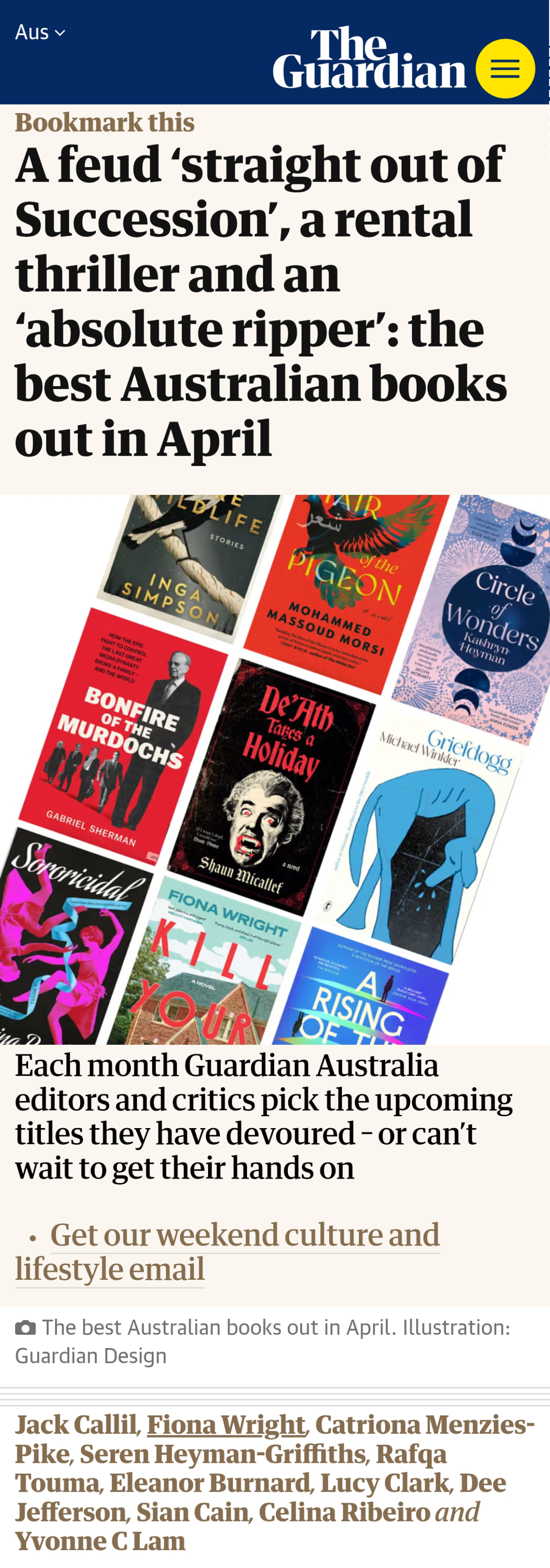

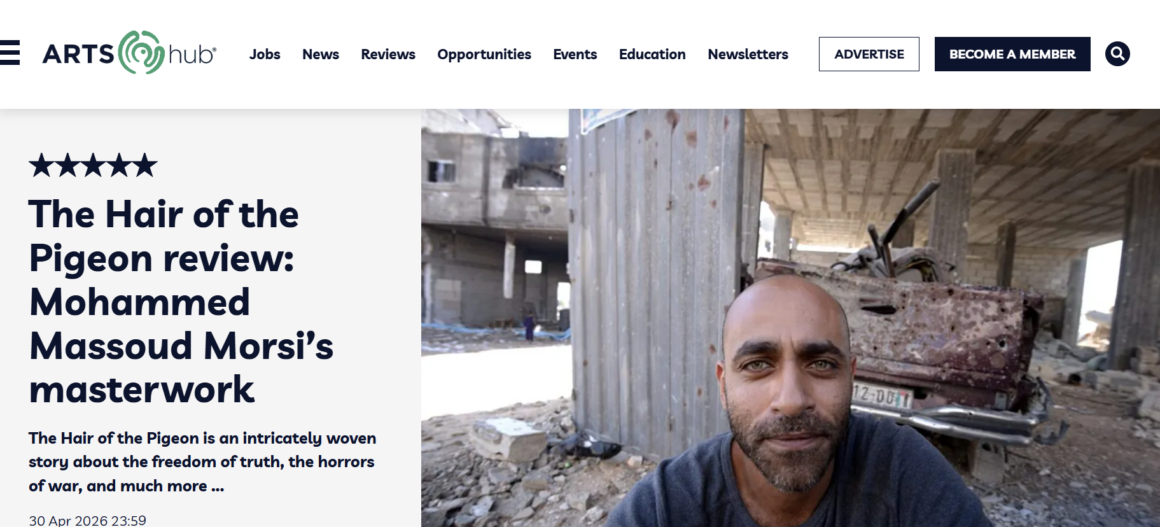
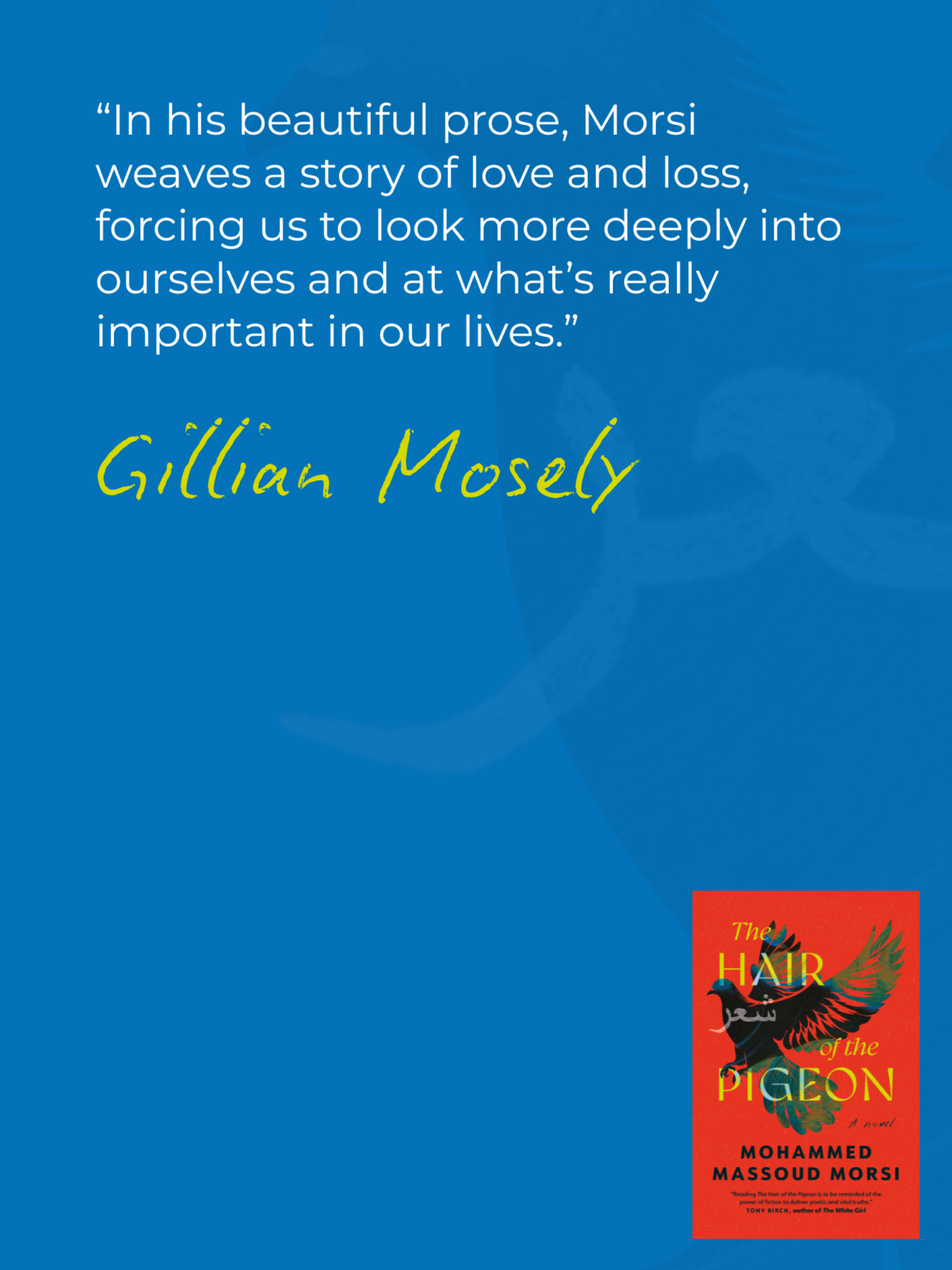
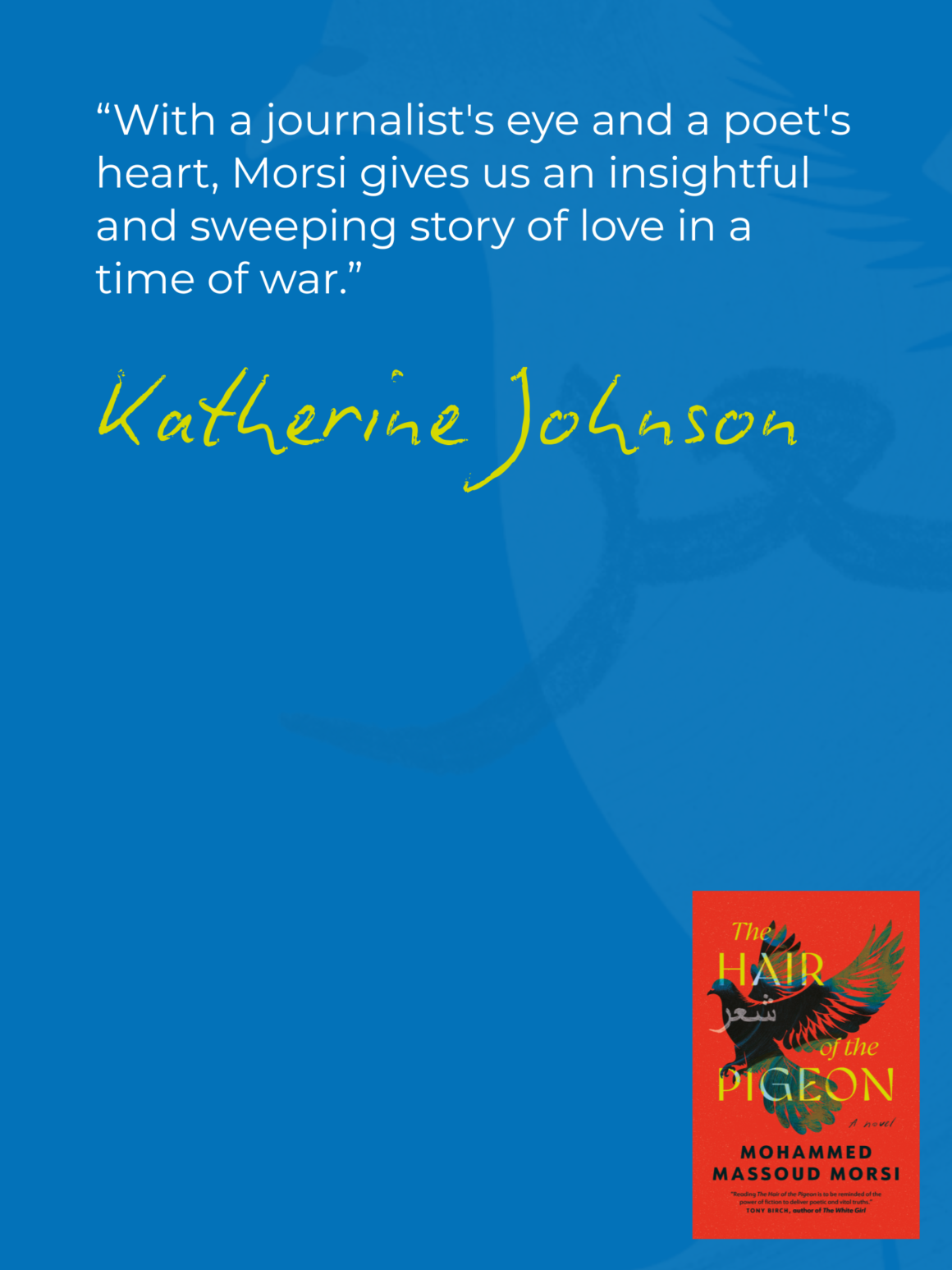
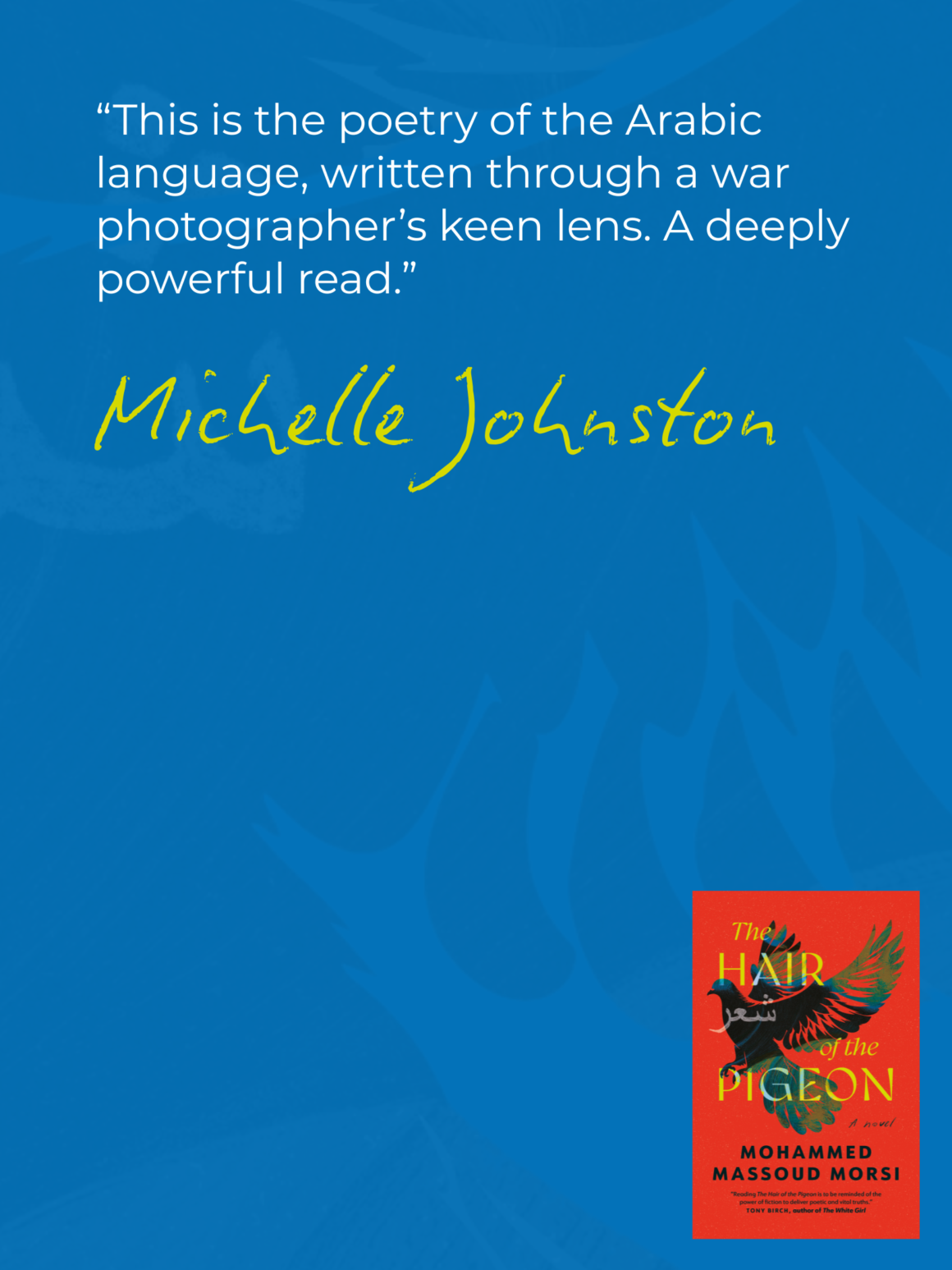
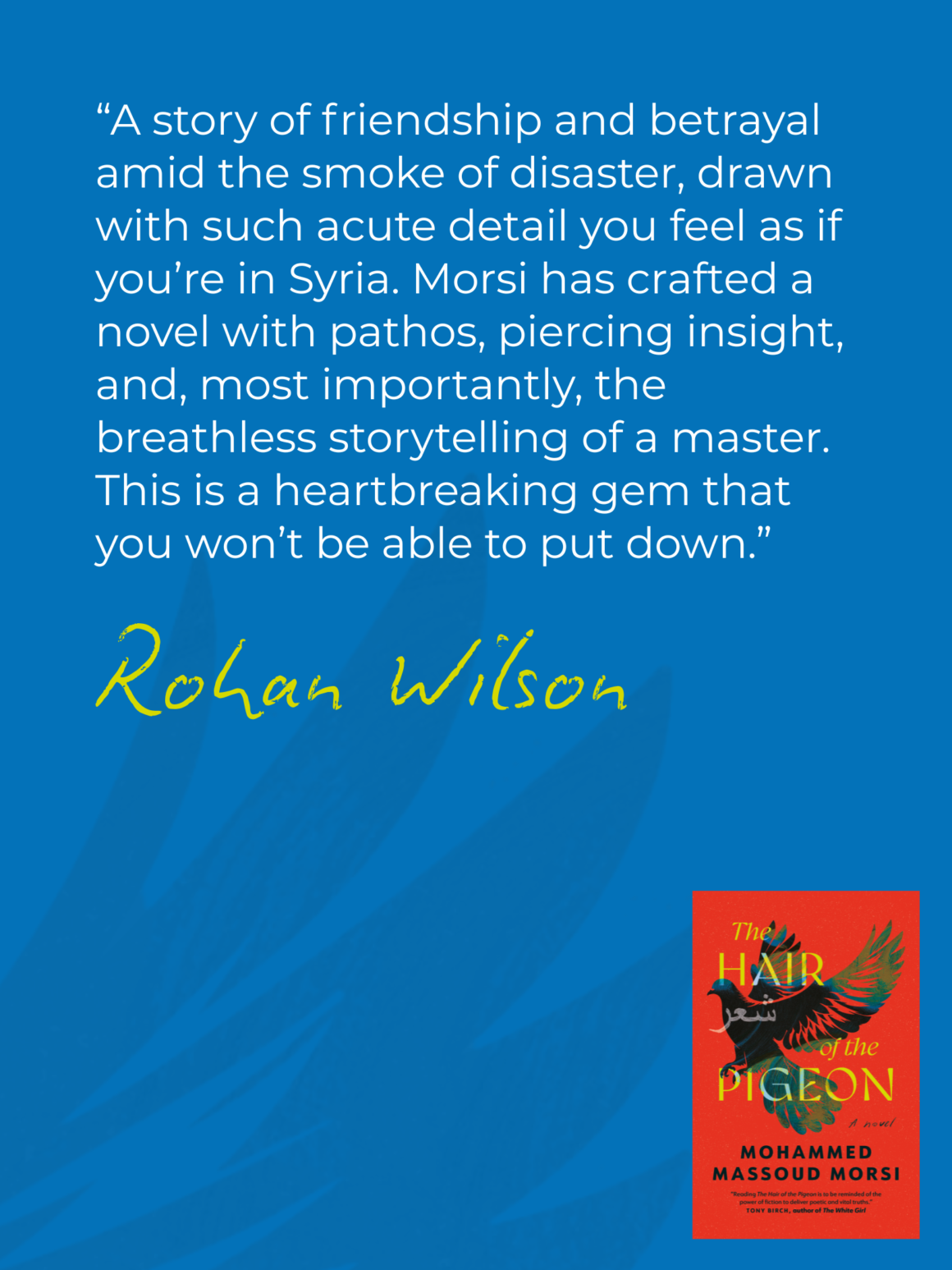
“The Hair of the Pigeon review: Mohammed Massoud Morsi’s masterwork:
An intense exploration of the meaning of home, the possibility of joy, and understanding that letting go is not the same as giving up.
Morsi consistently communicates through layered subtext, transitioning the reader into darker chapters with impact. A paragraph juxtaposing team sports and a tortured corpse foreshadows danger and raises tension, without the need for watered down exposition.
From the narrow roads of Syria to the grey skies of Copenhagen, Morsi’s writing combines sensory detail with journalistic flair to solidify a living, breathing world. His tonal matter-of-factness doesn’t diminish the moral weight of tragedy, but it does protect the prose against accidental gratuitousness.
The Hair of the Pigeon is an intricately woven story with a lot to reveal about the freedom of truth, the horrors of war and the importance of human connection. It will resonate with people who understand loss, and anyone whose compassion outweighs their complacency.”
—★★★★★ NANCI NOTT, ArtsHub
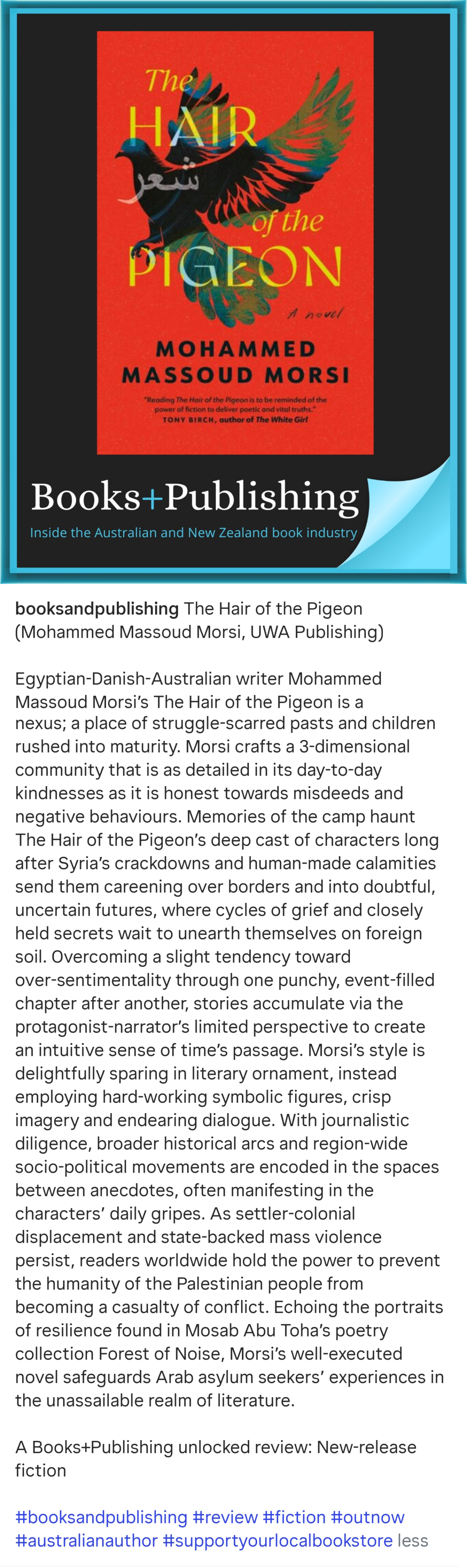
“A continent-spanning saga of survival, devotion and destiny… through one punchy, event-filled chapter after another, stories accumulate via the protagonist-narrator’s limited perspective… Morsi’s style is delightfully sparing in literary ornament, instead employing hard-working symbolic figures, crisp imagery and endearing dialogue. With journalistic diligence, broader historical arcs and region-wide sociopolitical movements are encoded in the spaces between anecdotes, often manifesting in the characters’ daily gripes.
Echoing the portraits of resilience found in Mosab Abu Toha’s poetry collection Forest of Noise, Morsi’s well-executed novel safeguards Arab asylum seekers’ experiences in the unassailable realm of literature.
—ADAM NOVALDY ANDERSON, Books + Publishing
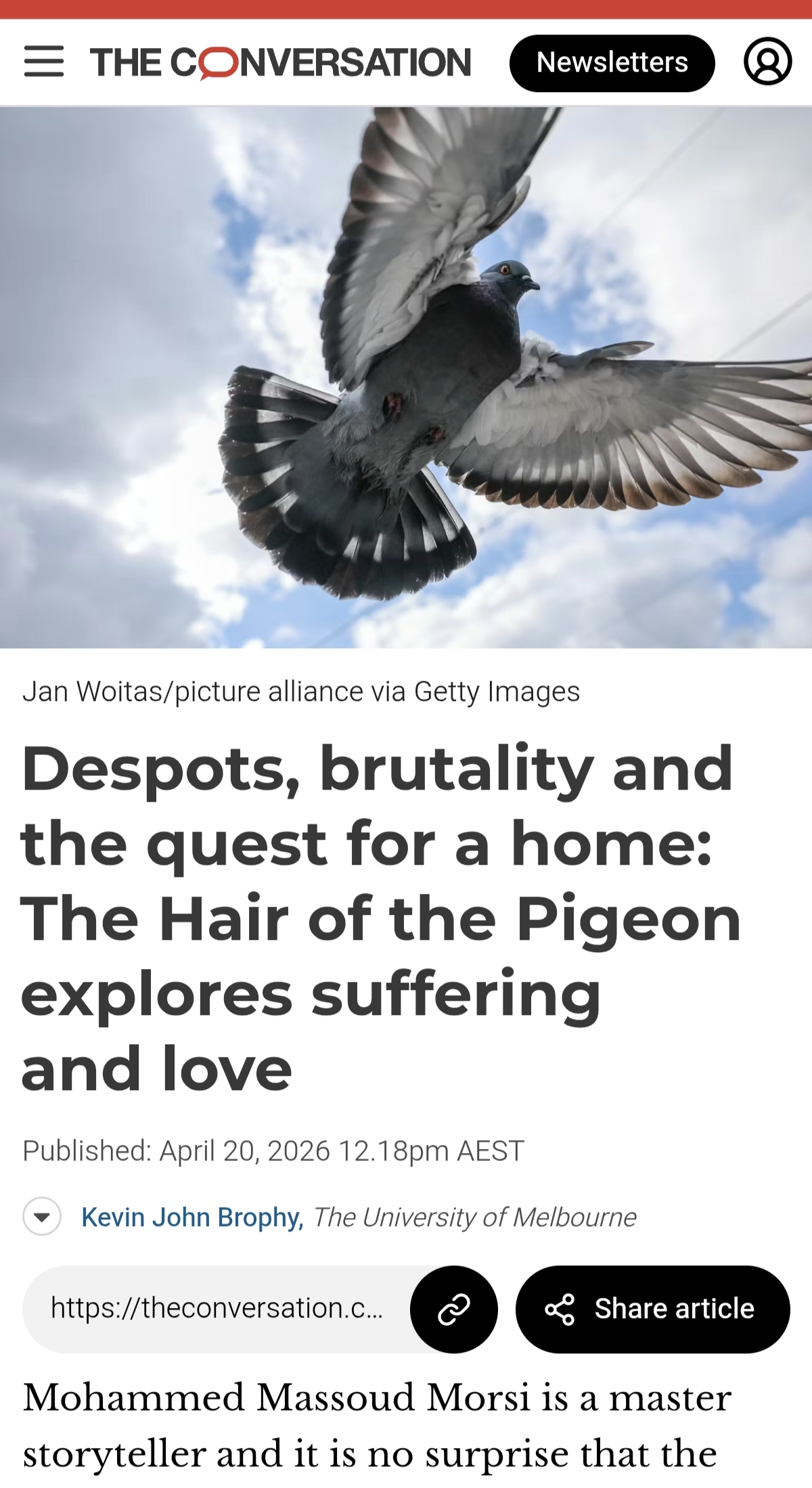
“Tenderly, Morsi pulls us through his protagonist’s imprisonment and torture, treacherous displacement across the Mediterranean, and seeking of asylum in Copenhagen. Through it all is an indestructible love story that captured my heart. Brutal in places but so artfully handled, the reading experience is haunting in its reflection of reality.”
“A story both epic and raw… There’s an almost spiritual undertone to Morsi’s prose, in the attention paid to the behaviour of the sky and the earth, the sea and the birds. Dreams feel closer to prophetic visions. Prayers of pure intention are sometimes answered.
Morsi writes with the precision of a war photographer. His evocation of place is vivid – wonderfully vibrant at times, foreboding at others. And while lyrical, his novel is also a work of documentation, capturing distinct characters in tableaux that feel all too real. At every point in Ghassan’s journey, we are shown with devastating intimacy the ruin brought upon others around him who are also seeking asylum: the return to one’s childhood bedroom to find gaping ruins, the death of an infant from starvation or a parent lost at sea.
The reading experience is at times eerie, almost claustrophobic, as one senses cycles of history repeating… Morsi balances brutality and hope, cruelty and love. He reveals the deep, multigenerational consequences of displacements forced by wars, despotic governments, apartheid occupations, foreign interventions and genocide. And he leaves us with a profound sense that, through it all, humanity will persist.”
—RAFQA TOUMA, The Guardian
“Morsi is a confident writer and his novel is composed of short sentences and four parts. It is interwoven with passages of magic realism… a haunting and challenging novel that examines the nature of love and identity in a world that is swamped with hatred.”
—SUSAN GORGIOSKI, Good Reading
“At a time and place where freedom, and indeed survival, are tenuous prospects, an unconquerable love will emerge. Ghassan lives at Yarmouk, a Palestinian refugee camp in Syria, as the Arab Spring unfolds, bringing waves of protest and the genuine hope of renewal and reform. For Ghassan, his brawling best friend Badawi and his idealistic love interest Sama, that hope is short-lived. The Assad regime responds to protesters with a brutal crackdown on dissent: Sama will vanish, and Ghassan himself will be thrust into the nightmare of Assad’s prisons where he faces appalling torture. When Ghassan manages to return to Yarmouk, the camp is in ruins, and the people seeking refuge there, including his family, have been changed by their ordeal. Further exile awaits as the country erupts into chaos and atrocity, and the refugee community requires sanctuary with greater urgency than ever. The Hair of the Pigeon is a passionate, uncompromising survival story that spares neither the horrors of the Syrian civil war nor the resilience of those forced to endure them.”
– CAMERON WOODHEAD, The Sydney Morning Herald, The Age, Brisbane Times, WA Today
The Hair of The Pigeon is published in the USA, by Robert R. Godine, in June 2026
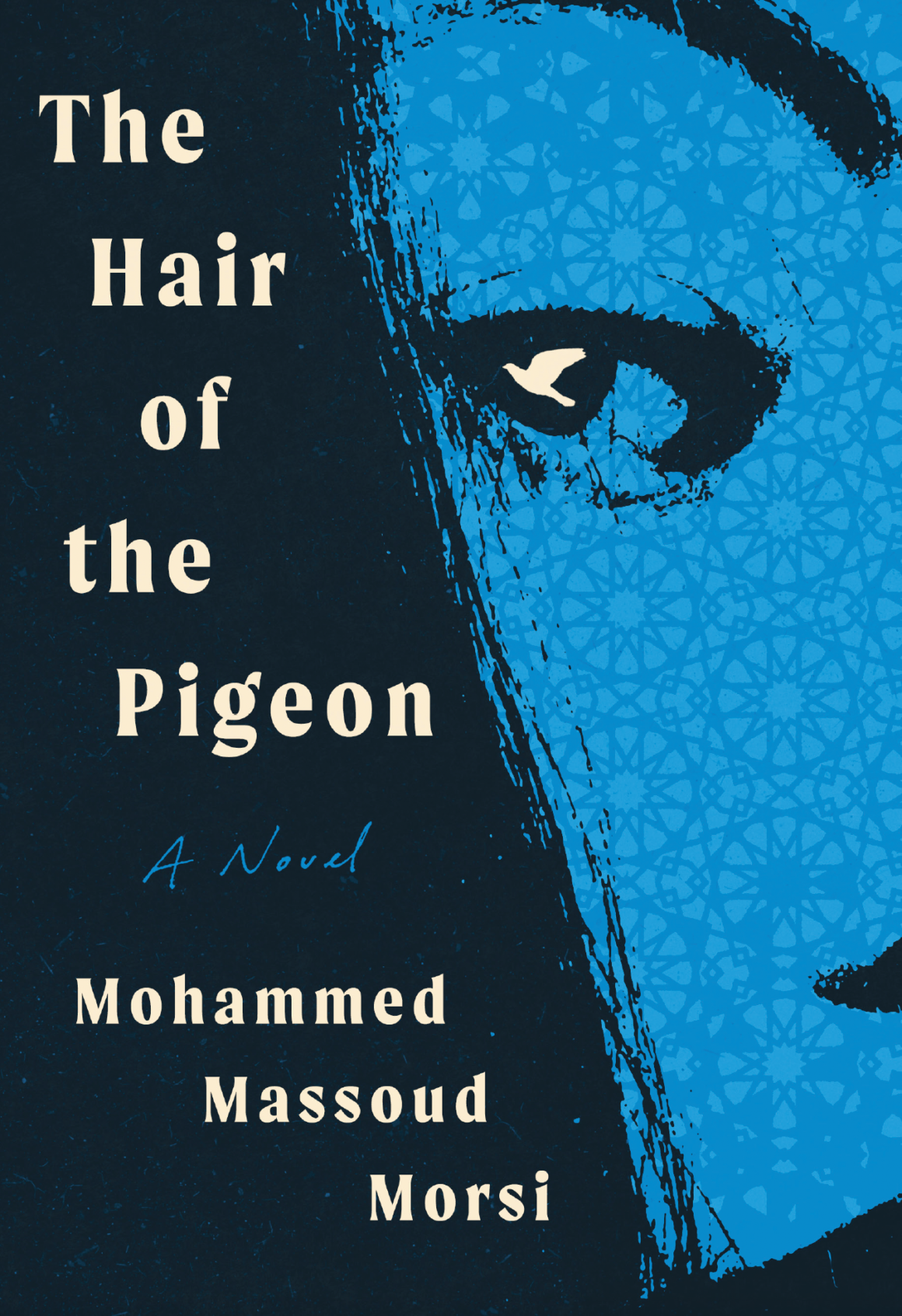
“With the lilt and grace of Arabic overlaying his English, Morsi’s prose vibrates with an intensity that animates this arresting tale of love, interminable loss, and sumud in a Palestinian refugee camp in Syria. A haunting and necessary novel for our time.”
– Mai Al-Nakib, author of An Unlasting Home
“ The Hair of the Pigeon beckons us to bear witness to life’s most essential
forces – friendship and love – against the haunting backdrop of displacement.
Morsi’s storytelling is at once quiet and resounding and with ample space for
reflection.”
— Nadia Hashimi, author of The Pearl That Broke Its Shell
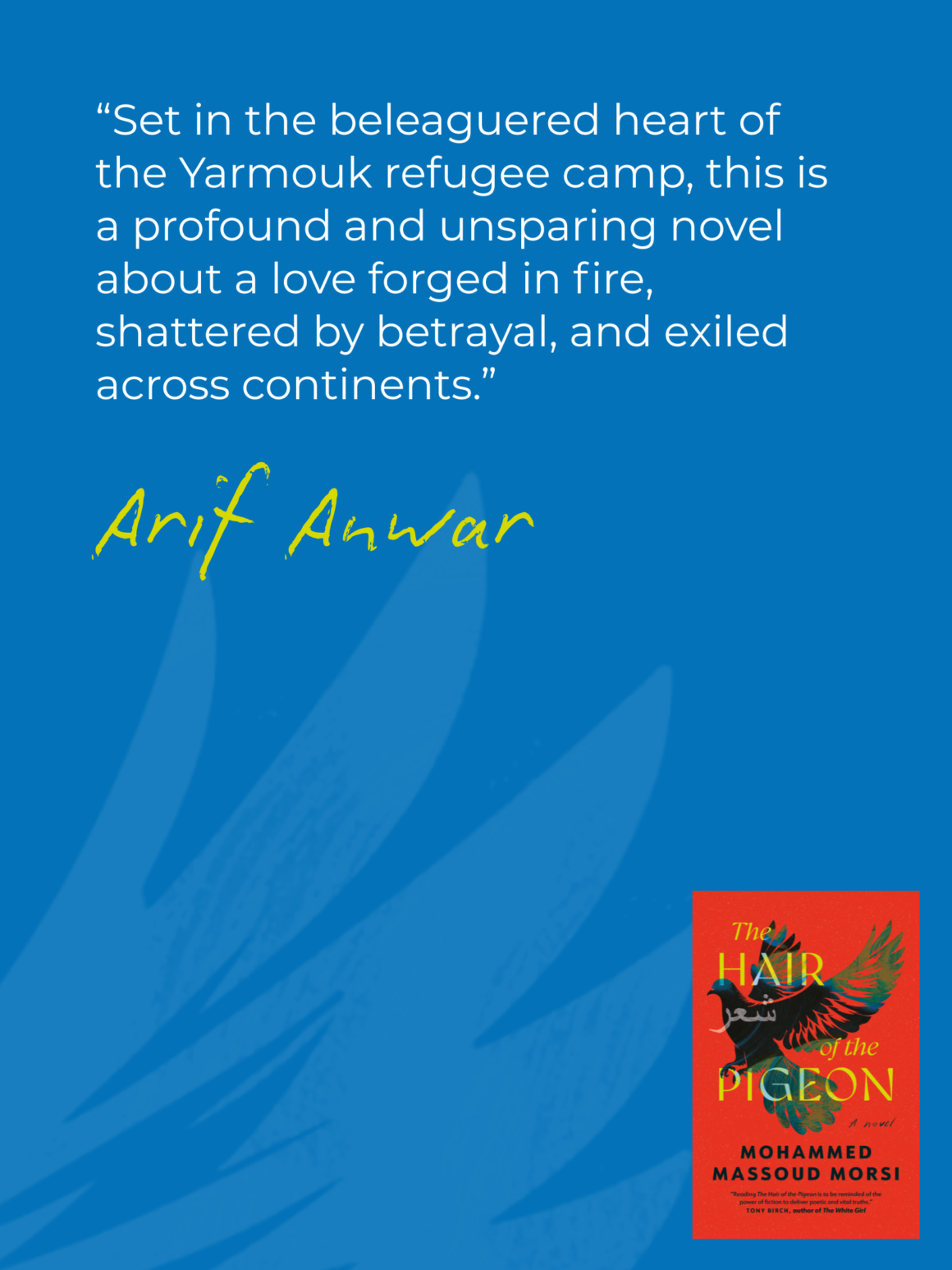
“[A] profound and unsparing novel about a love forged in fire, shattered by
betrayal, and exiled across continents. The Hair of the Pigeon charts the
abject valleys and the dizzying peaks of Ghassan, Sama, and Badawi’s lives,
reminding us of the terrifying beauty of human existence. . . This story is
utterly necessary for these times.”
— Arif Anwar, author of The Storm
“Equal parts harrowing and tender, Morsi’s Hair of the Pigeon is an
unflinching look at the darkness and horror abused power can beget, while
still holding on to hope for an order suffused with love and light. It’s a
haunting ode to the resilience of the displaced and oppressed.”
— Nawaaz Ahmed, author of Radiant Fugitives
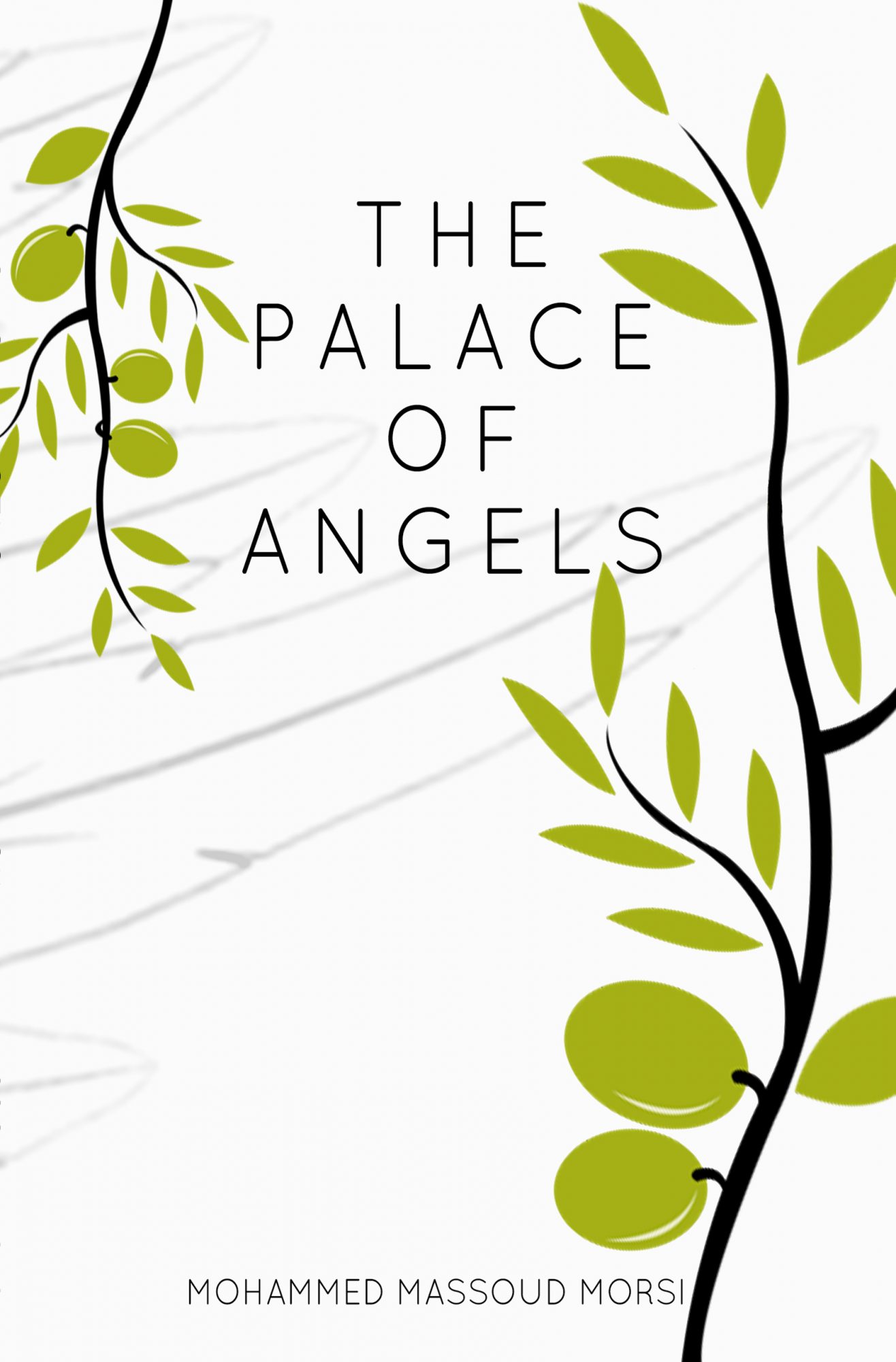
The Third Edition of The Palace of Angels is published as a single book triptych, with the addition of an author’s note, by UWAP in 2026:
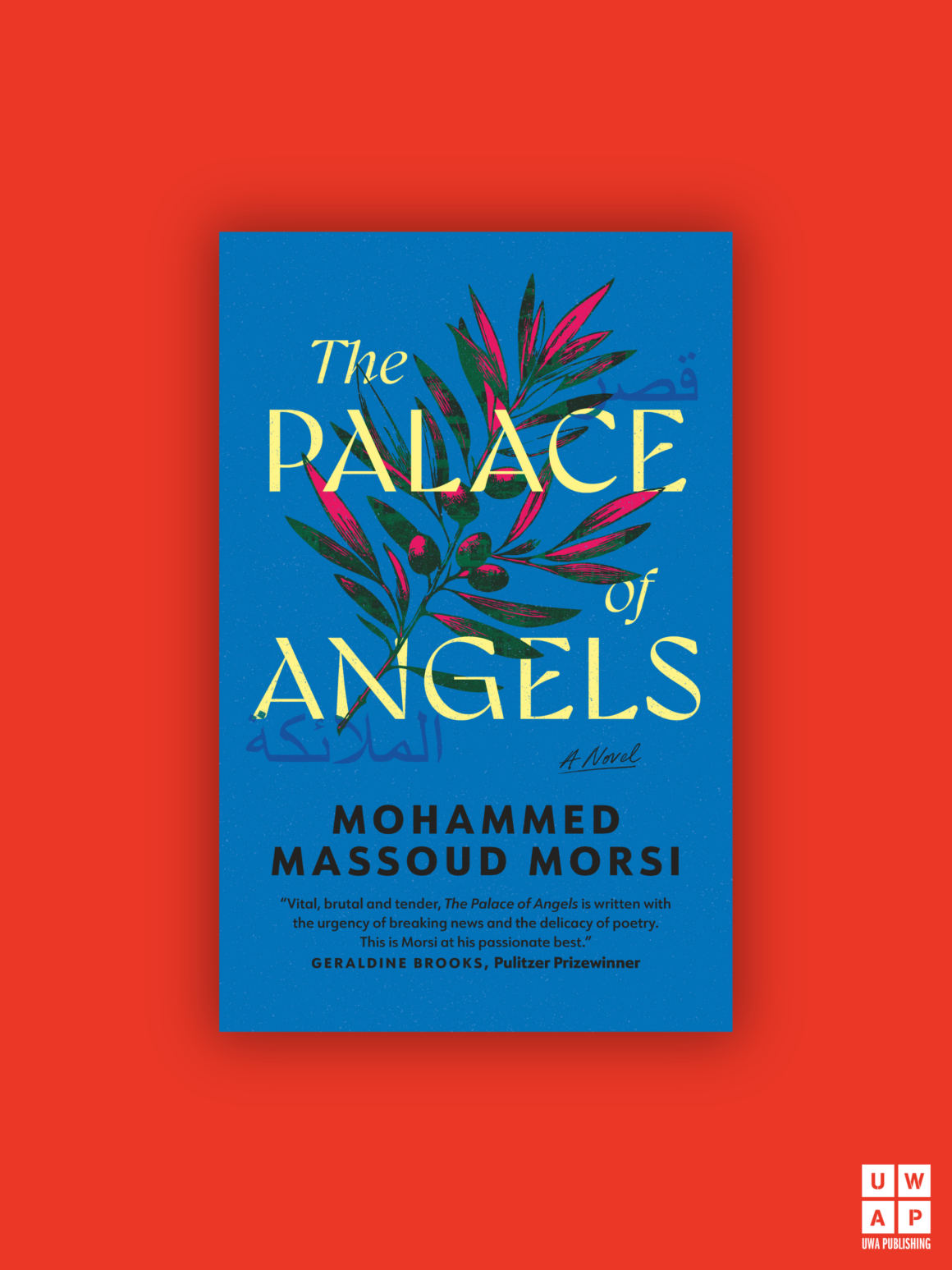
“This is a book about love, though at first it may appear to be a story of ancient hatreds. Slowly, and with big-hearted charm, Morsi creates a world in which love is the only antidote to fear.”
– Sisonke Msimang – Activist, Storyteller and author of Always Another Country and The Resurrection of Winnie Mandela
I did not think my heart could both break and soar any more over my father’s homeland. I did not think I had more tears or laughter. And yet Mohammed Massoud Morsi’s The Palace of Angels took me by surprise. It moved me deeply, reminding me of the power of story-telling to reveal how living under occupation packages the absurd and the tragic, despair and compassion, into individual and collective lives. Morsi is a tremendous story-teller who pulls off this ambitious, big work because he pays attention to the details, treating his characters with tenderness even at the moments when the reader thinks they least deserve it. This is a book to be read and re-read.
– Randa Abdel-Fattah, academic, advocate for Palestinian rights and author of Discipline
The Second Edition of The Palace of Angels was published as a single book triptych, by Wild Dingo Press in 2019:

“Vital, brutal and tender, The Palace of the Angels is written with the urgency of breaking news and the delicacy of poetry. This is Morsi at his passionate best.”
– Geraldine Brooks, Pulitzer Prizewinner
The First Edition of The Palace of Angels was published as a triptych in continuation of What Is Past Is Dead and Twenty Two Years To Life, published by Living In The Strange (Copenhagen) in 2016-2019:
Ilan Pappe was one of the first to read it and said:
Twenty-two Years to Life is a moving and heartbreaking tale based on a true story. It brings new meaning both to steadfastness and the human suffering within the mega prison of the Gaza Strip. The level of the occupier’s cruelty is matched by the fragile humanity of the occupied––in a way that can only be appreciated with the personal narrative so beautifully spun. The human complexity turns and twists and is then exposed in this powerful tale of the clash between love and hate, revenge and compassion, within an impossible and abnormal reality of occupation, colonisation and ethnic cleansing. The Palace of Angels is a gripping tale that challenges our preconceived ideas and identities.
– Ilan Pappe – Historian, political scientist, and author of The Ethnic Cleansing of Palestine
A tender, intimate and compelling collection of stories, The Palace of Angels will take you on surprising and devastating explorations of love and life, distilling the true cost of tragedy, oppression and unrealised potential.
Mohammed Massoud Morsi does not undermine the brutality of a life lived under occupation, but he offers a rare narrative: one that does not merely glimpse our humanity, but breaks it open to expose the bones of how we live and connect, and how our failure to do so affects us all.
Morsi is a masterful storyteller, whose elegant and vivid prose beautifully captures what it means to live rather than simply exist, holding a mirror up for the reader to recognise the connections between all things. – Amal Awad
With all the sympathy one might feel, it is impossible for an outsider to imagine what it is like to be a Palestinian living in the West Bank or Gaza today. Morsi affords one a revealing glimpse.
– Daniel Gavron
The Palace of Angels was hurting, shaking, made me dizzy and uncomfortable, gave me hope and filled me with despair, all at once.
– Kobi Tuch
Morsi, writing with tremendous empathy, has distilled a political conflict into a very human, visceral story. The dichotomy between love and oppression echoes through this powerful narrative, taking the reader on a shifting journey between the delicate and the devastating.
– WritingWA
What is Past is Dead is about desperate actions we sometimes take to counter desperate events. The best thing about this novella: it is an intimate portrait of one man’s life. Had Morsi painted this work on a bigger canvas, it would not have worked nearly so well as what he has done instead, which is to present us with a very fine cameo.
– T.D. Whittle